Warning (2)
: Trying to access array offset on value of type null [in /home/getbengal/public_html/templates/Home/story_detail.php, line 16]
Nostalgia, Simplicity, and Quiet Trust: How Bengal’s Everyday Products Outlived the






Last year during my visit to Kolkata during Durga Pujo, while having the “regular dinner table debates with my Bengali Dad”, I had a profound realisation.
The Realisation Over Dinner
While chit-chatting over Bangalore’s steep growth over the past decade, economy, state of affairs, roads & development, it still stands as the 4th largest GDP in India after Kolkata.
Whilst pondering over the same and enquiring over the reason behind it, Dad mentioned something very profound which I had previously overlooked.
I mean, at this point you might also be pondering over How come Kolkata still stands as the 3rd largest GDP despite widespread unemployment and “cadre politics”?
The ‘Khuchro Byapsha’ Economy Turns out Bengal earns lump sum from what Dad referred as “khuchro byapsha” খুচরো ব্যবসা) culture i.e., small, unorganized retail businesses, kirana shops, and local trade networks.
According to Ministry of MSME & NSSO reports, India’s GDP is ~30% powered by MSMEs and small trade, and in Bengal/Kolkata this share is higher than the national average.
Turns out, Kolkata has historically been called “the city of small businesses”.Even today, small retail dominates over malls and modern retail in Kolkata because consumer trust rests in kiranas, not big chains. People still prefer purchasing from known shopkeepers which turned into a habit after a decade long of trust.
Kolkata thrives in its bazaar-centric neighbourhoods which isn’t just a daily chore but also acts as the epicenter of morning political adda over chai. Therefore, for bigger players which often market on “availability”, “convenience”, "quitting the chores” or traffic to penetrate into a construct like this one poses as a predicament. It requires to position their products in between, literature, adda & art.
Therefore, it becomes mandatory for me to cite a few products which Bengal has been loyal towards for almost a century.
Legacy Brands That Never Left
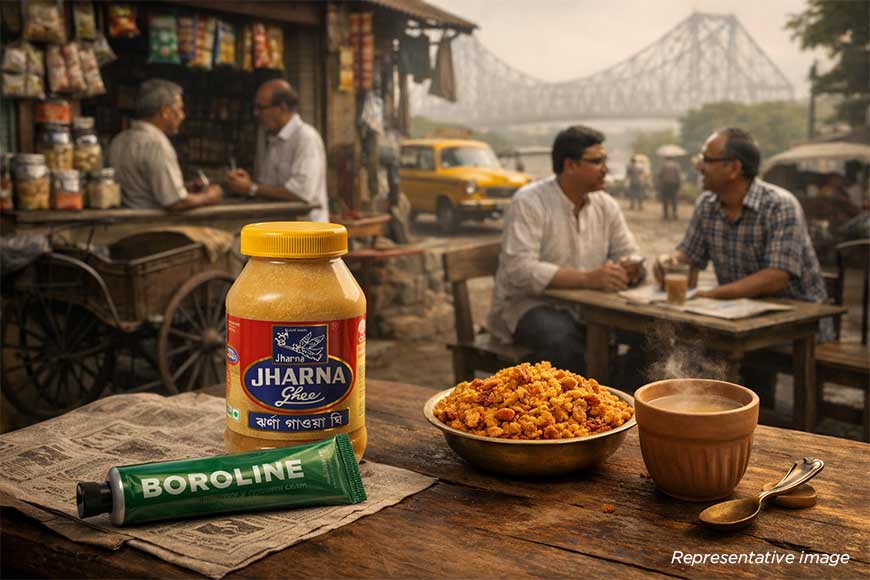
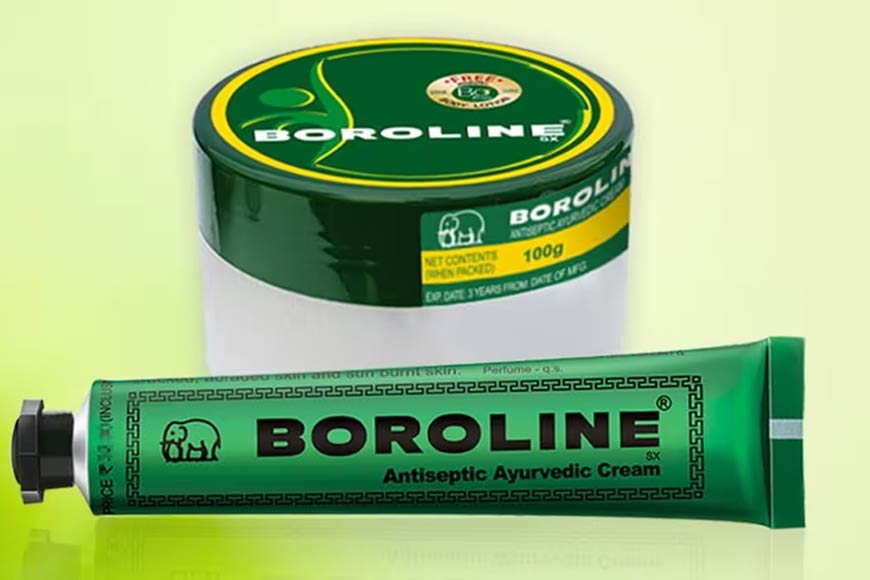
Boroline, Jharna Ghee & Mukhorochokh Chanachur have stood the test of time and withered their way for almost a century in Bengal’s economy.
According to coverage in The Telegraph, Business Standard, and ET Retail, Boroline remains one of the few century-old Indian FMCG brands to sustain steady profitability without large-scale advertising.
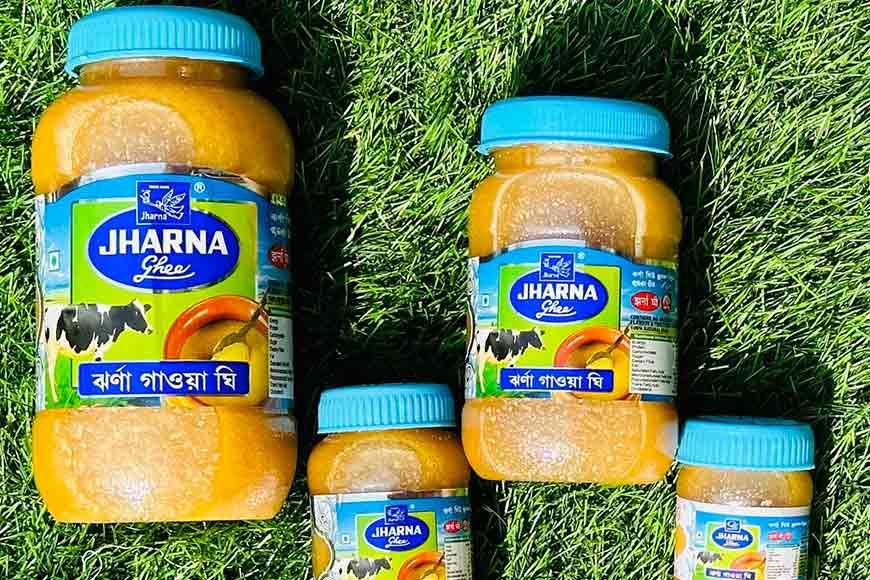
Jharna Ghee, as reported in ET Retail and Ananda Bazar Patrika, commands a dominant share of Bengal’s ghee market, often quoted by local distributors to be over 60%.
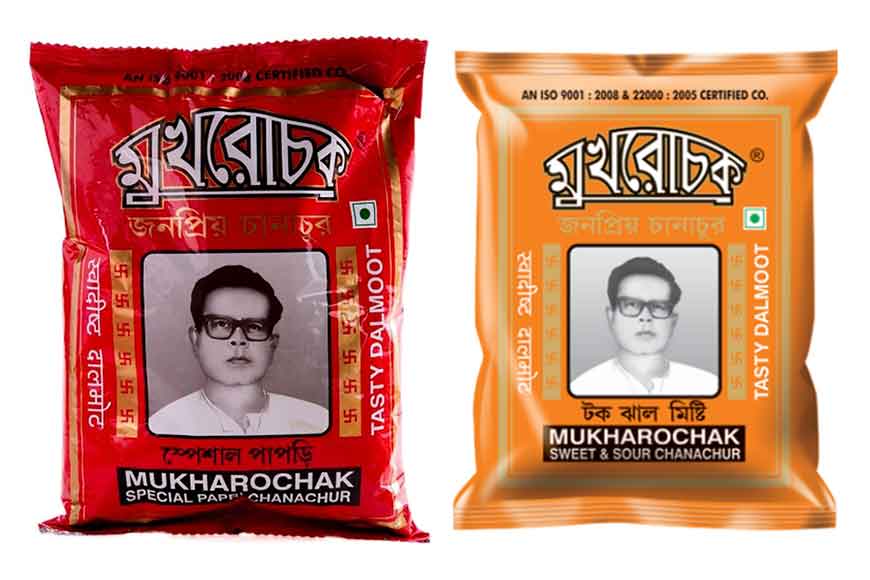
Mukhorochokh, too, continues to lead Eastern India’s traditional snack segment, by relying entirely on local goodwill and familiarity rather than digital promotions
A few traits common in all of these products are-
1. Does what it’s meant to
2. Simplicity of packaging
3. Availability at Local/Kirana stores
4. Affordable across all income groups
5. No “in-your-face” marketing
These everyday products aren’t just items on a shelf , they’re part of Bengal’s shared routine, quietly binding people across class and background.
In these routines, Bengal finds ways to connect across class lines. A professor and a rickshaw-puller can share the same opinions, the same frustrations, and the same laughter over politics or prices.
Often, in these conversations, our everyday rituals of Boroline, Mukhorochokh, fish curry, and Jharna Ghee inevitably become the warmth around which they unfold. These aren’t just products; they’re part of our collective comfort.
What brands need to understand is that in Bengal, it isn’t enough to sell ; they have to belong which is why affordability and availability play such a crucial role in making the product accessible to everyone.
Boroline which was introduced in 1929 by Gour Mohon Dutt in the backdrop of divided Bengal. It was not just a product, it was a tight slap against foreign goods and economic exploitation.
Bengal thrives in nostalgia, simplicity, affordable pricing across all walks of life and positioning the brand as “For the common man”.
Pricing Strategy: Affordability as Cultural Equality
● In Bengal, affordability isn’t only about low prices — it’s about social inclusion.
● A product must feel accessible across all walks of life ,from the para tea stall to an office canteen to a middle-class home.
● When everyone can consume the same thing, it creates a shared cultural identity around that product.
A sudden price hike or premiumization can break that emotional bond. Consumers equate consistent, humble pricing with honesty and authenticity which is why flashy “premium” lines often fail unless they maintain the same emotional accessibility. The affordability across all denominations of ₹5, ₹10, ₹20 are not arbitrary, they play as a Psychological Anchoring in Daily Life.
In many other metros, higher prices signal class or success. But in Bengal, premiumization risks alienation. Bengal celebrates brands that remain humble and familiar — “for the common man.”
Kirana Store Trust (An Economic, Socio-Cultural Ritual in Bengal)
In Bengal, buying from the local kirana store goes far beyond economics.
It is as much a social ritual as it is a commercial act.The morning trip to the neighborhood shop for groceries, bread, or a packet of chanachur is woven into daily life. It fosters community familiarity, strengthens social bonds, and reinforces a sense of belonging to the para (neighborhood).
For many Bengalis, these small exchanges represent mutual respect and quiet empowerment: the customer supports the local shopkeeper’s livelihood, while the shopkeeper preserves the consumer’s trust through personal relationships and reliability.
Thus, buying locally is not framed as charity or convenience ,it’s an act of shared dignity and continuity, part of a cultural rhythm that values people over platforms, conversation over convenience, and consistency over novelty.

Lessons for Modern Brands
What’s remarkable is that all three brands mentioned in the article have achieved this without celebrity endorsements, digital blitzes, or premium rebranding. Their marketing happens through trust, habit, and word of mouth — through conversations at the tea stall, not campaigns at a café.
And that’s the real insight for any brand eyeing Bengal’s market. If you wish to enter this ecosystem, you have to sit with the people at the tea stall, not the coffee shop. You have to understand that Bengal doesn’t buy a brand; it builds a relationship with it.
If a new brand manages to earn that trust and become part of Bengal’s daily rhythm, there’s no turning back ; once you’re in, you’re in for good. You’ll thrive with minimal advertising and a loyal consumer base that does your marketing for you.